This Southern Morocco private tour takes you in 13 days from the souks of Marrakesh to the ocean and the dunes, and it is entirely private. You travel as a couple, a family or with friends, either with a private driver, my recommendation for this route, or driving a rental car yourself. There is no group and no tour leader. You walk to the Setti Fatma waterfalls in the Ourika valley, stroll the ramparts of Essaouira, walk to a Berber village at the foot of Toubkal, cross the Tichka pass to the earthen ksar of Aït Benhaddou and ride a camel into the Erg Chebbi dunes for two nights in a Sahara desert camp. On the way back you spend two nights in a kasbah in the Skoura palm grove.
This is my recommended route. You can change whatever you like. It's for travellers who want to see southern Morocco from medina to desert, at their own pace, with a roadbook full of addresses instead of a fixed group programme.
At a glance
- Recommended length: 13 days (can be cut to 8 or extended to 16)
- Style: fully arranged private trip, from 1 traveller
- Start date: any day you choose; direct flights to Marrakesh from Brussels and Charleroi
- Transport: your choice of a private driver or self-drive (rental car), from day 3 to day 13
- Indicative price, per person for 2 travellers, excluding the international flight:
| Level | Self-drive | Private driver |
|---|---|---|
| Budget | €870 | €1,800 |
| Comfort | €1,380 | €2,150 |
| Premium | €2,230 | €3,190 |
- International flight: not included; allow approx. €150–330 pp, depending on the month
- 4 travellers together: €1,180 pp instead of €1,380 (Comfort, self-drive), because you share the vehicle · solo traveller: €2,440 pp (Comfort, self-drive) (indicative)
- Best months: March to May, and October and November
Prices are estimates and may change once quotes from local partners are in.
Best time to visit southern Morocco
The best time to visit Morocco's south is spring and autumn: March, April and May, and October and November. From June to August the desert is too hot for this route, and from December to February the Atlas passes can close in snow. In 2027 Ramadan falls roughly from 8 February to 9 March and Eid al-Adha around mid-May, when services are reduced and roads are busy. Flights to Marrakesh cost more around Easter, in summer and during the autumn holiday.
My recommended route and why it runs this way
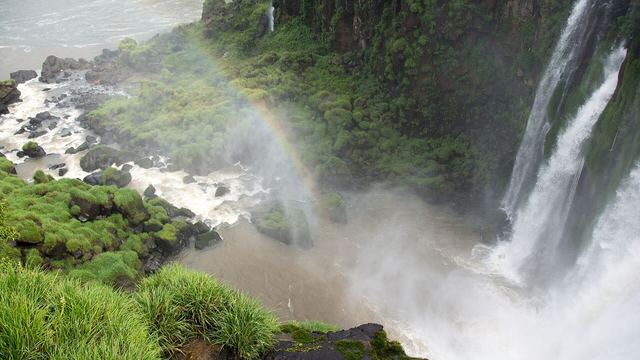
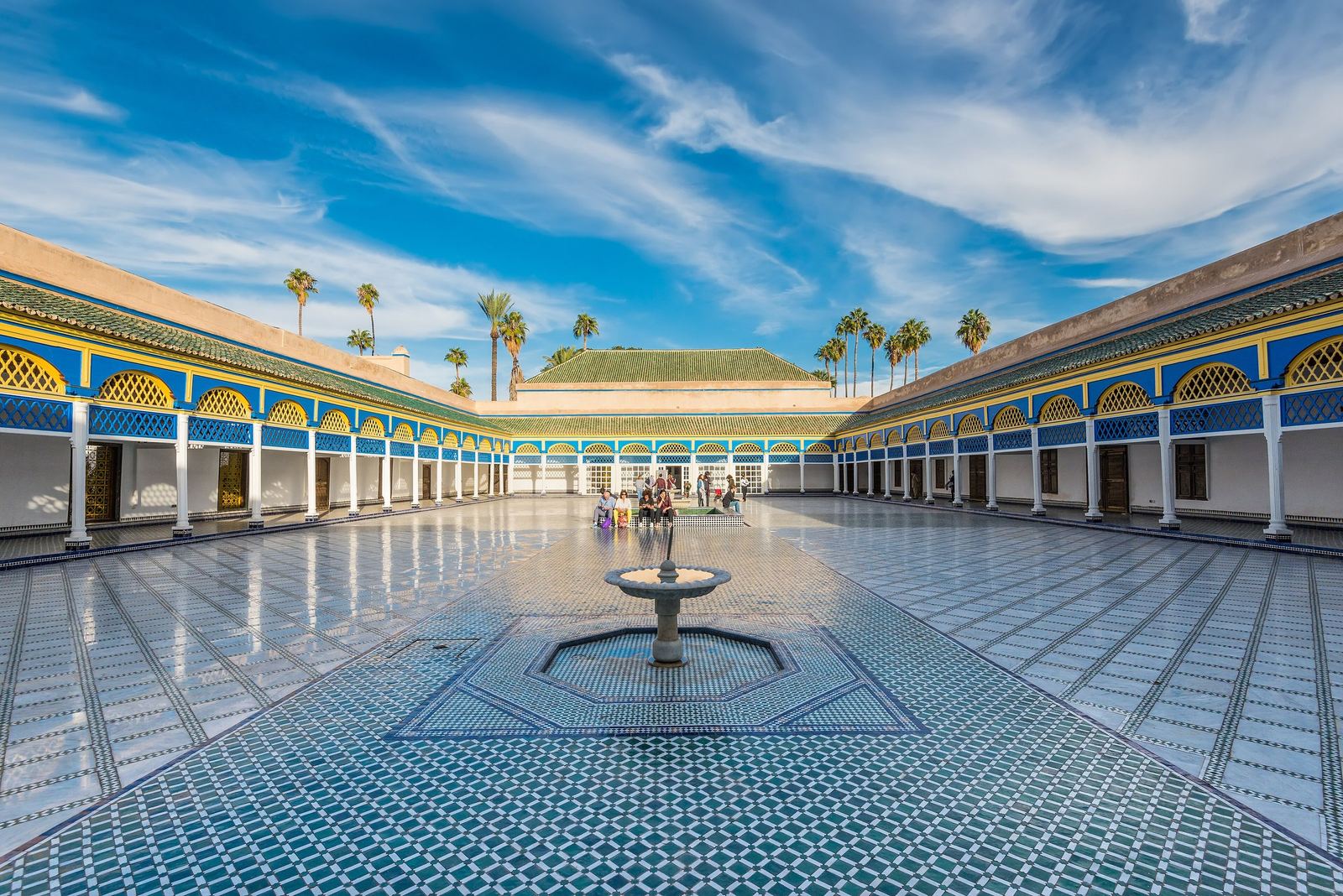
You start in Marrakesh without a car, as the medina is car-free. A private driver meets you in the arrivals hall with a name sign and a porter carries your luggage to your riad. You explore Jemaa el-Fna, the Bahia Palace, the Ben Youssef Madrasa and the souks of the dyers, smiths and leatherworkers. On day 3 the car comes in: about 1h15 into the green Ourika valley, where you scramble along the stream from Setti Fatma to the first waterfalls (about an hour there and back), and back to Marrakesh for the night.
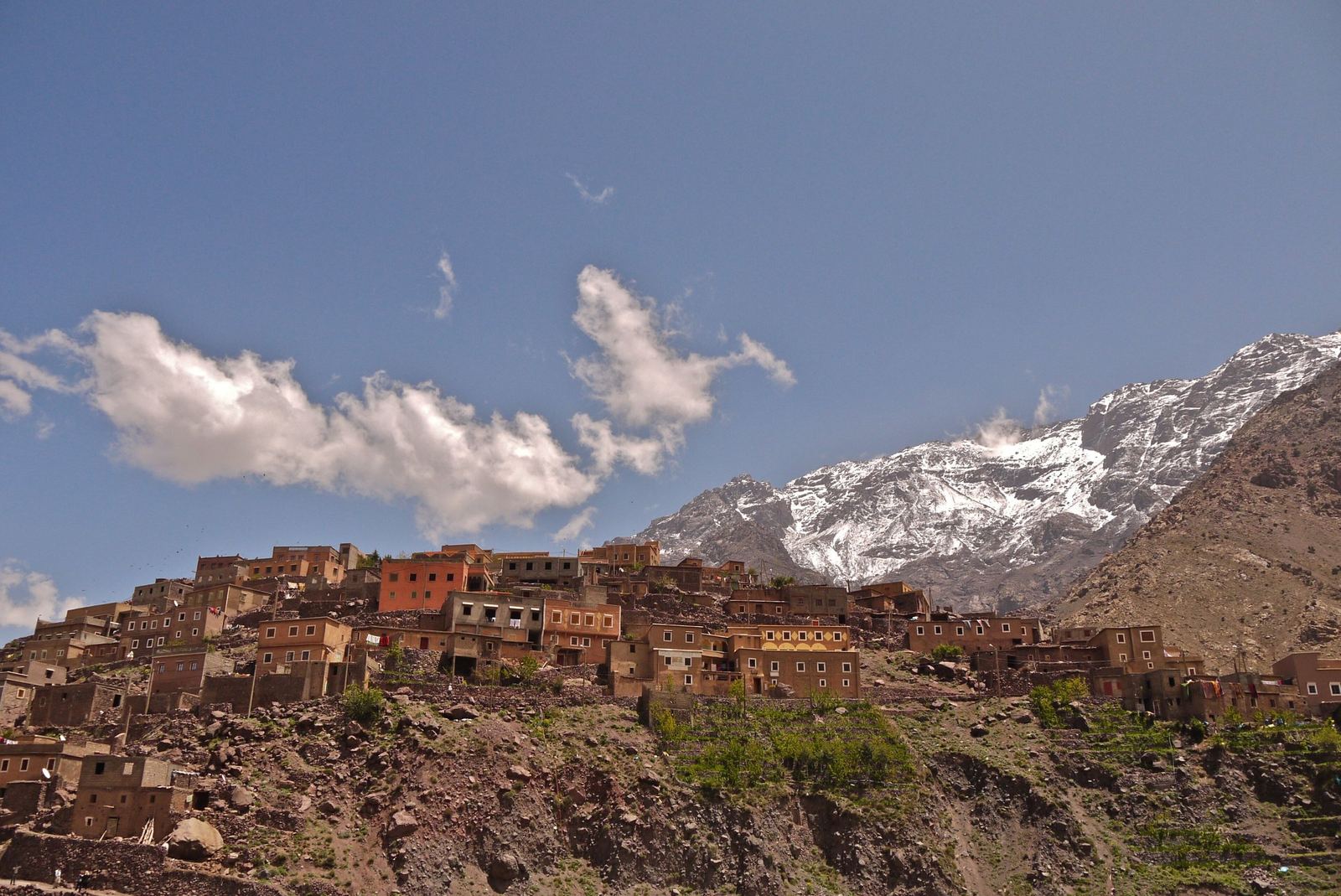
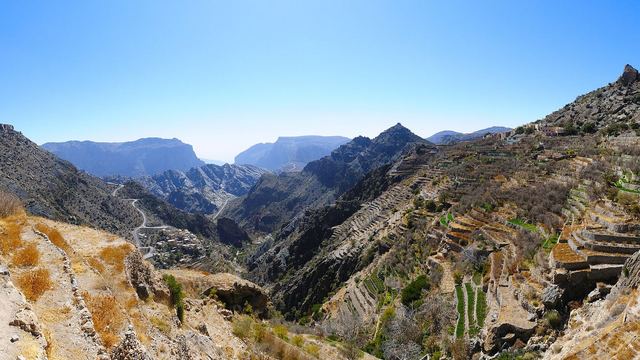
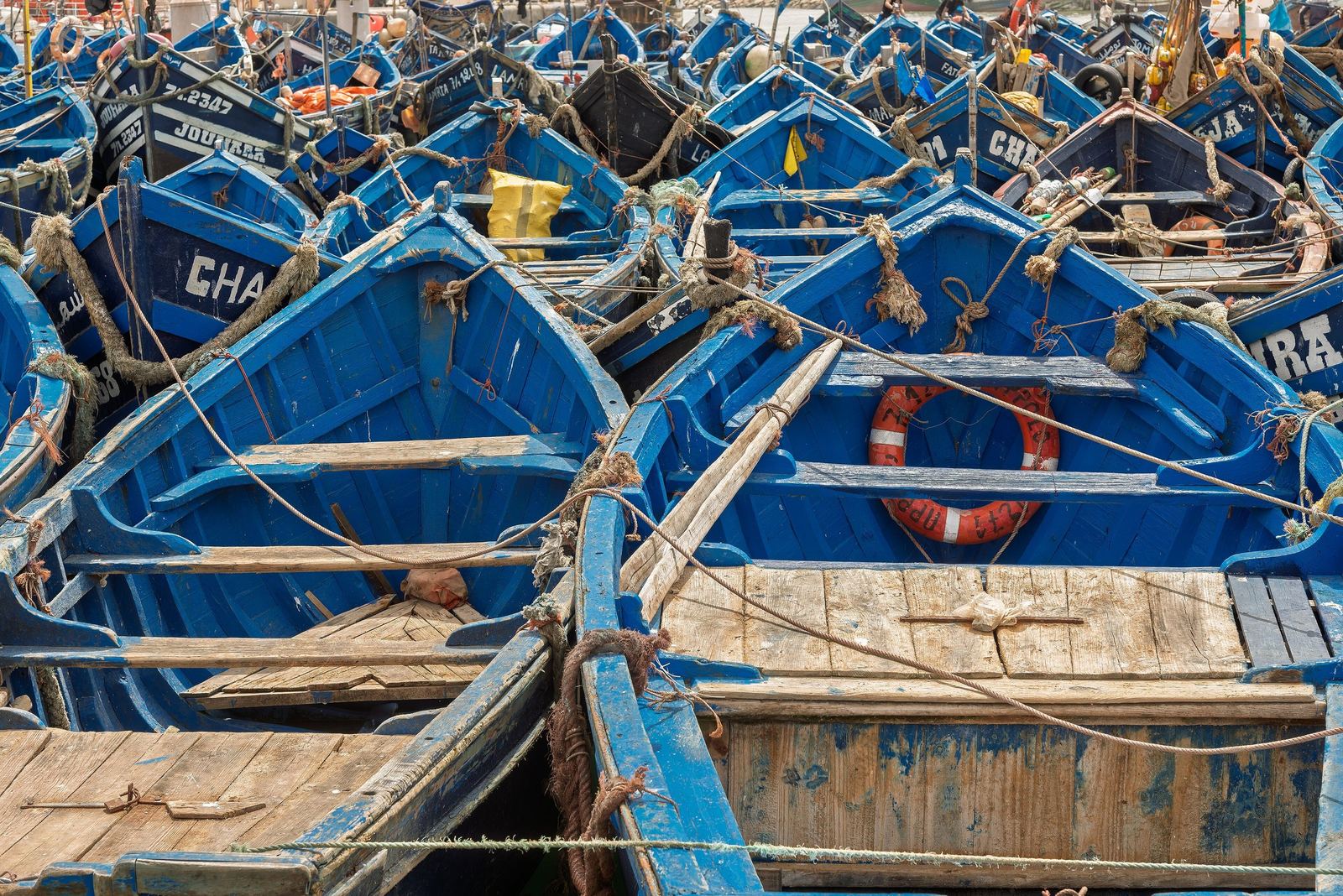
Then through argan country to Essaouira (about 3 hours), with a stop at a women's argan oil cooperative, and two nights by the ocean: the Skala ramparts, the blue-and-white medina (UNESCO), the fishing port and, if you like, the quiet beach of Sidi Kaouki. On day 6 you head inland to Imlil (about 4 hours) at the foot of Toubkal, the highest mountain in North Africa, and walk through walnut and apple orchards to the Berber village of Aroumd, with mint tea at a Berber family on the way.
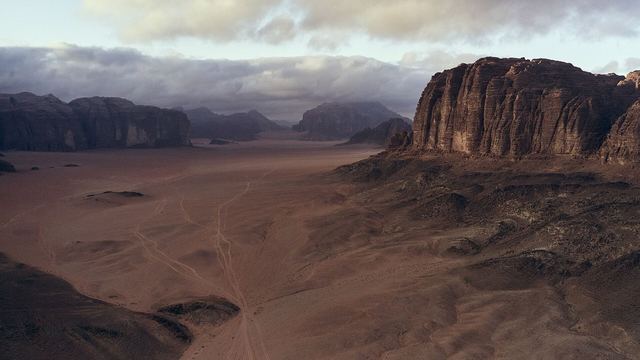
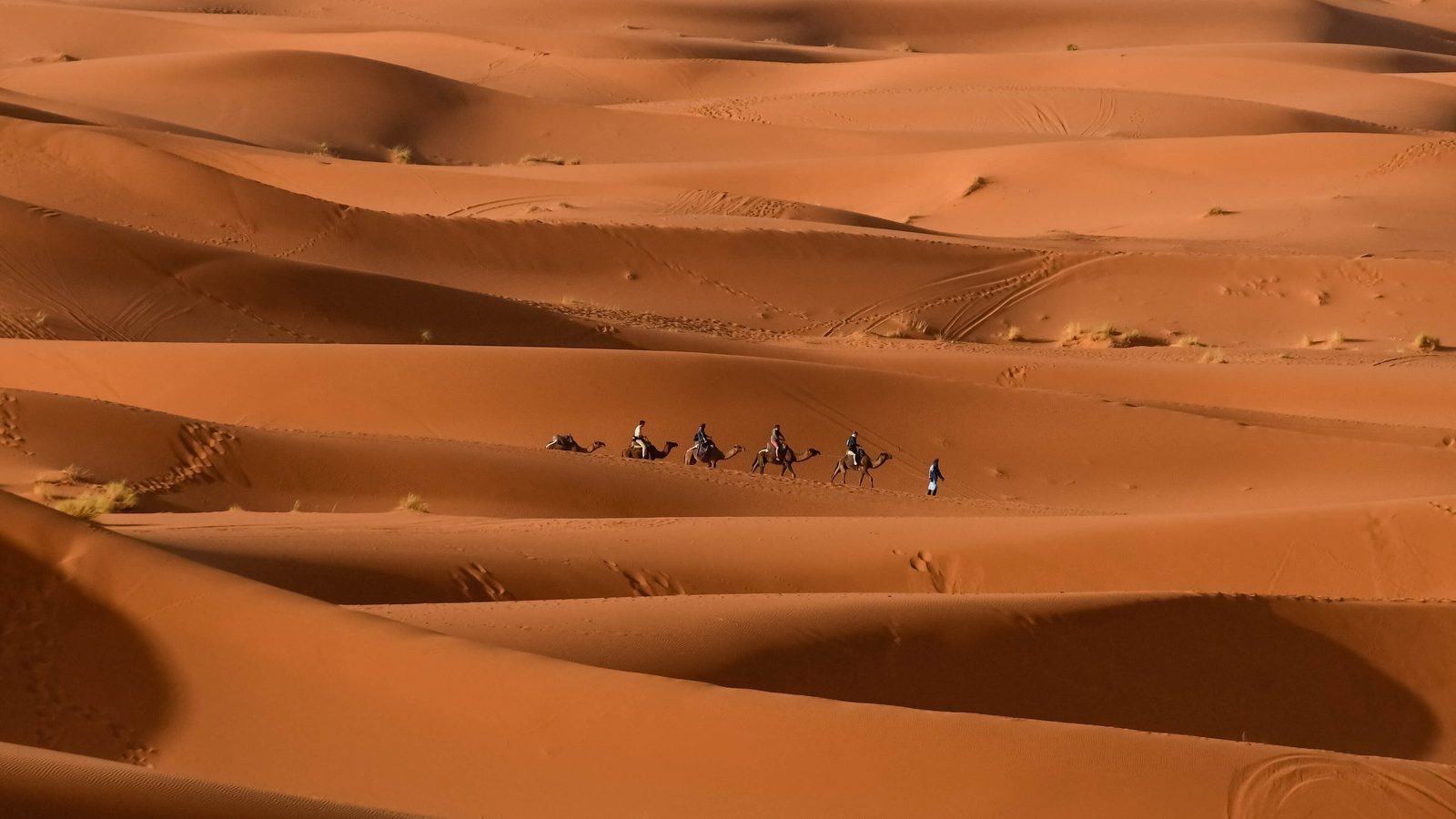
On day 7 you cross the High Atlas over the Tizi n'Tichka pass (2,260 m), visit the kasbah of Telouet and follow the old caravan route through the Ounila valley to Aït Benhaddou (UNESCO), where you watch the sunset from the top of the ksar. Next come the oasis of Fint, the Taourirt kasbah and the Valley of Roses to the Dades Gorge, then a walk in the Todra Gorge, whose walls rise up to 300 metres, and the drive to Merzouga on the edge of the Sahara. Towards sunset you ride a camel into the Erg Chebbi dunes to your desert camp with an en-suite tent; your luggage goes by 4x4. The next day brings sunrise over the dunes, the seasonal lake of Dayet Srij and Gnawa musicians in the village of Khamlia.
After the desert you drive via the old market town of Rissani, Alnif and N'Kob to Skoura (about 5 hours) for two quiet nights in the palm grove, with a visit to Kasbah Amridil. On day 13 you cross the Tichka one last time, straight to Marrakesh airport (about 4.5 hours). If your flight leaves early in the morning, you spend the last night in a hotel close to the airport.
See the full day-by-day itinerary
Self-drive or private driver?
With a private driver, my recommendation for this route, you have one dedicated French- or English-speaking driver from day 3 to day 13 in a comfortable air-conditioned vehicle. He knows the Tichka pass, the best viewpoints and the way to the desert camp, and waits while you walk or visit. Fuel, tolls and his meals and accommodation are included. He is a driver, not a guide. In Comfort it costs €770 pp more than self-drive (indicative).
Self-drive in Morocco is possible too. The roads on this route are paved and well signposted, also to Merzouga. Your rental car, with full insurance and zero excess, is ready in Marrakesh on day 3, and you return it at Marrakesh airport on day 13. Fuel, parking, the credit-card deposit and any traffic fines are paid locally. Expect a few long driving days: the winding Tichka pass twice, with roadworks, and about 4.5 to 5 hours on days 9, 11 and 13. Never drive after dark; the Belgian FPS Foreign Affairs advises against it, and the roadbook plans every leg to arrive before dusk. Police speed checks are frequent, with fines paid on the spot. The medinas are car-free, so you use guarded parking and a porter; parking tips are in your roadbook. In Merzouga your car stays at the camp.
If you want to enjoy the landscape without steering yourself, choose the private driver.
What I arrange for you
A private transfer from Marrakesh airport to your riad, with a porter through the medina. Riads in Marrakesh and Essaouira, a mountain guesthouse in Imlil, kasbah hotels and a desert camp with an en-suite tent, at the level you choose, with breakfast. The camel ride to and from the camp with a camel handler, your luggage by 4x4, and dinner and breakfast at the camp. Entrance fees for the Bahia Palace, the Ben Youssef Madrasa, Telouet, Taourirt and Kasbah Amridil, the argan oil cooperative visit and the tourist tax. No guide by default: your roadbook tells you what to see where. Prefer a guide? I can arrange a local guide for that activity, such as a licensed city guide in Marrakesh or a mountain guide from Imlil, also in Essaouira, Aït Benhaddou and the Todra Gorge, and get you the price. The Jardin Majorelle, a hammam, a cooking class or a surf lesson I am happy to book for you; they are not in the price. And one point of contact: a personal intake meeting (at your home or by video call), a WhatsApp line with me before and during the trip, a personal 24/7 number and a follow-up call after you return.
Budget, Comfort or Premium
Budget means simple, excellently reviewed riads, guesthouses and kasbahs with breakfast, and a desert camp with an en-suite tent. Comfort means characterful riads in Marrakesh and Essaouira, kasbah hotels with a view and a comfortable camp in the dunes. Premium means the finest riads and kasbahs on the route, with a pool, spa or roof terrace, and a luxury camp in the Erg Chebbi dunes.
Adapt the route
- Shorter (8 days): without Essaouira, straight from Marrakesh into the Atlas.
- More mountains: a second night in Imlil for a full walking day to the Tizi n'Mzik pass, with lunch at a Berber family home.
- More desert: a second night in Erg Chebbi is already in the route; you can also cut it to one night, which makes the drive back to Skoura a long day.
- Extras: cooking class and hammam in Marrakesh, surf lesson in Essaouira, Toubkal ascent (2 days with a guide).
- Combine with the north: after the Sahara through the Middle Atlas to Fes, Chefchaouen and Tangier. For that there is also my Northern Morocco trip.
Practical tips
- Visa (Belgian passport): no visa required for tourist stays up to 90 days. Your passport must be valid for the entire stay; 6 months' validity is recommended. The Belgian ID card is not sufficient.
- Health: no mandatory vaccinations. Recommended: routine vaccinations up to date and hepatitis A. No malaria. Drink bottled water. See wanda.be.
- Money: Moroccan dirham (MAD); exchange or withdraw cash locally. ATMs in the towns; in small villages and souks you pay cash.
- Flights and time: approx. 3.5 hours direct to Marrakesh from Brussels and Charleroi. Morocco uses UTC+1 (UTC+0 during Ramadan): no difference in Belgian winter, 1 hour behind in Belgian summer.
- Language: Arabic (Darija) and Tamazight (Berber) are official; French is widely spoken, English in the tourism sector.
- Meals: breakfast is included every day, as is dinner at the desert camp. For the other meals you get my restaurant recommendations, but you are completely free to choose where and when you eat. Allow approx. €20–30 pp per day for meals and drinks.
Travel advice
The Belgian FPS Foreign Affairs (update 13 April 2026) says Morocco can generally be visited safely with the usual precautions; the border areas with Algeria and Mauritania are advised against. Merzouga and Erg Chebbi lie relatively close to the Algerian border, so you stay within the standard tourist zone (Merzouga, Khamlia, Rissani). There is a persistent terrorism threat and tourist sites are crowded: avoid demonstrations. In the medinas, watch out for touts and petty theft; women may face harassment. We cover this in the intake meeting and the roadbook. Around the High Atlas, reconstruction after the September 2023 Al Haouz earthquake is ongoing. Read the latest advice on diplomatie.belgium.be.
Frequently asked questions
How much does a Southern Morocco tour cost?
This 13-day private tour costs from about €870 pp (Budget, self-drive), based on 2 travellers and excluding the international flight. With a private driver it starts at €1,800 pp. Allow approx. €150–330 pp for the return flight to Marrakesh. Prices are indicative.
When is the best time to visit southern Morocco?
March, April and May, and October and November. From June to August the desert is too hot, and from December to February the Atlas passes can close in snow.
Self-drive or private driver?
Both are possible. The roads are paved and well signposted, also to Merzouga, but there are a few long driving days and the winding Tichka pass twice. That is why I recommend the private driver. If you drive yourself, never drive after dark.
How many days do you need for southern Morocco?
I recommend 13 days. You can shorten the trip to 8 days, without Essaouira, or extend it to 16 days, for example with a second night in Imlil.
Does a guide travel with us?
No. You explore at your own pace with your roadbook; only the camel ride to the desert camp is led by a camel handler. Prefer a guide, for instance in the Marrakesh medina or in the Atlas? I can arrange a local guide and get you the price.
Plan your trip
Interested in spring or autumn 2027? Plan an intake call via the interest list or email [email protected]. Before we start selling trips, we take out the legally required insurance against financial insolvency. Prices remain indicative until then.
Sources
- https://diplomatie.belgium.be/nl/landen/marokko/reizen-naar-marokko-reisadvies/algemene-veiligheid-marokko
- https://diplomatie.belgium.be/nl/landen/marokko/reizen-naar-marokko-reisadvies
- https://diplomatie.belgium.be/nl/landen/marokko/reizen-naar-marokko-reisadvies/gezondheid-en-hygiene-marokko
- https://morocco.diplomatie.belgium.be/nl/op-reis-marokko/reisadvies-voor-marokko
- https://www.wanda.be/nl/
- https://whc.unesco.org/en/list/331/
- https://whc.unesco.org/en/list/444/
- https://whc.unesco.org/en/list/753/
- https://www.kayak.de/flight-routes/Brussels-Bruxelles-National-BRU/Marrakech-Menara-RAK
Last updated: 15 October 2026. Prices are estimates and may change.